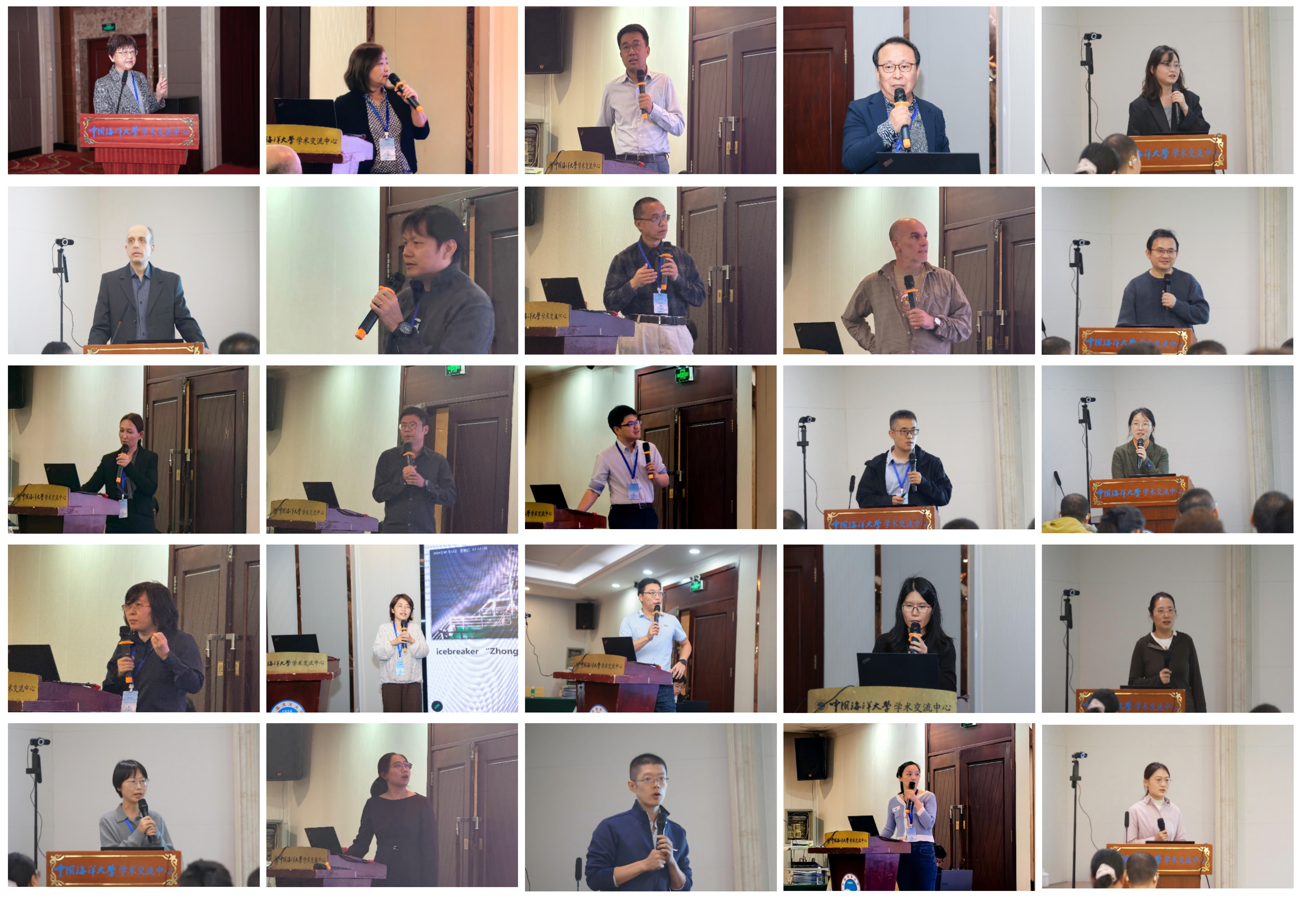
The iSPOGOC session of the 2026 Future Ocean International Conference on Industry-University-Research-Application Cooperation (Qingdao), took place at the Academic Exchange Center of the Ocean University of China (OUC) on 23–24 October 2026. Under the theme Polar Ocean and Global Change, more than 100 experts, scholars, and graduate students from 9 countries and 24 universities and research institutions gathered in Qingdao to discuss key scientific questions concerning rapid polar change.
The opening ceremony on the morning of 23 October was chaired by Chen Zhaohui, Executive Vice Dean of the OUC Graduate School, and addressed by OUC Vice President Li Yan.
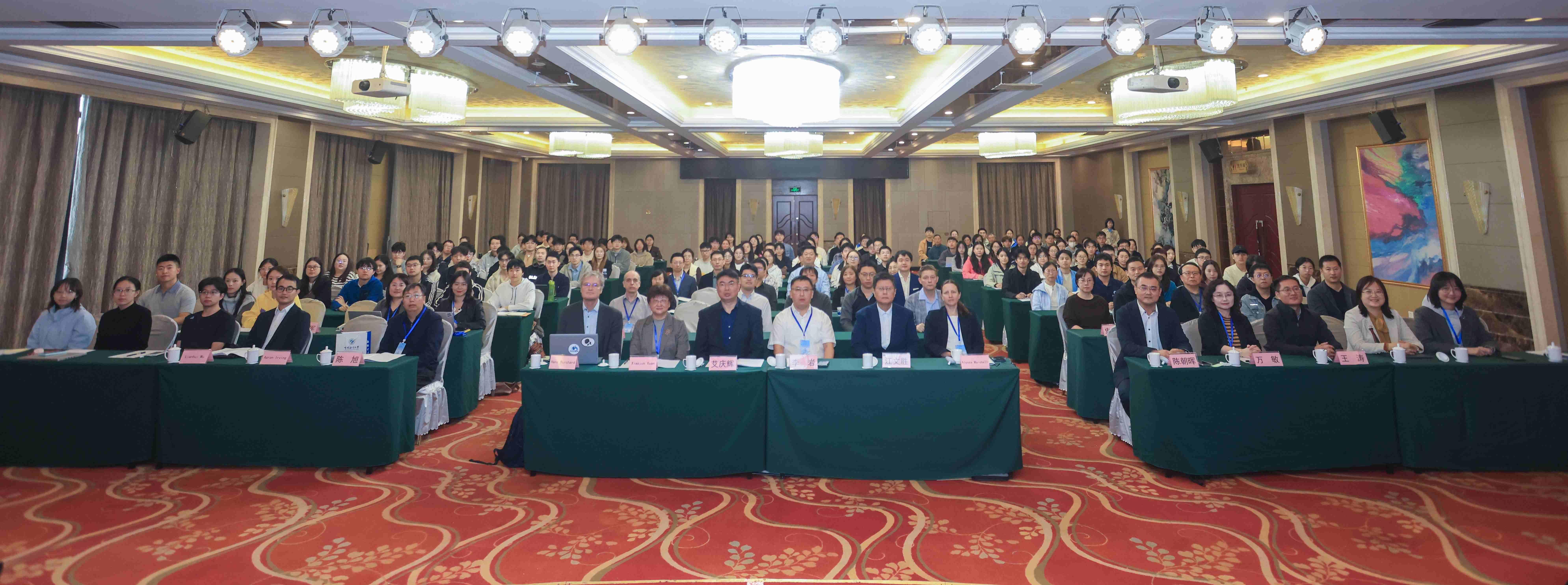
Professor Yuan Xiaojun of Columbia University then delivered the keynote lecture, showing how the evolution of tropical sea surface temperature drives the predictability of Antarctic sea ice.
The iSPOGOC session ran from the afternoon of 23 October to 24 October and comprised four themes: observations and modelling of the ocean cryosphere; polar marine biogeochemical cycles and their ecological and environmental effects; polar ocean dynamic processes and their climate effects; and polar-tropical interactions. A total of 28 talks were presented, 14 of them by overseas scholars. Topics included the observation and prediction of Arctic and Antarctic sea ice change, polar ocean change and mesoscale processes, polar-tropical teleconnections, polar palaeoclimate evolution and marine organic carbon cycling, and biophotophysiology and viral ecology in polar sea-ice zones.
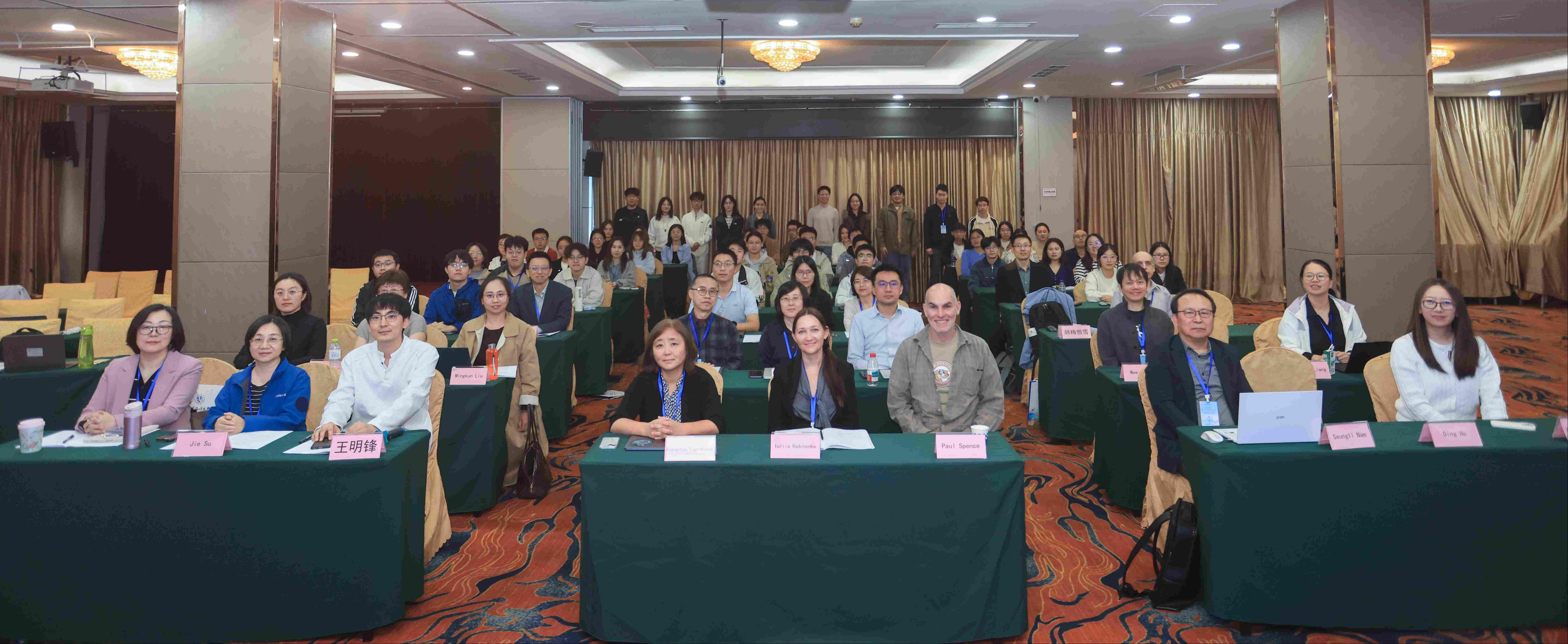
Faculty and students from the College of Oceanic and Atmospheric Sciences, the Key Laboratory of Physical Oceanography (MOE), the College of Chemistry and Chemical Engineering, the Key Laboratory of Marine Chemistry Theory and Technology (MOE), the College of Marine Life Sciences, and the College of Marine Technology took part and exchanged views with international colleagues.
The event further strengthened OUC's partnerships with institutions including Columbia University, the University of Tasmania, the University of New South Wales, the Korea Polar Research Institute (KOPRI), and the Alfred Wegener Institute (AWI), supporting joint research and talent development in polar ocean science and enhancing the international profile of China's polar research.